Class Calendar | Call admissions on 415-943-2028
Find Phlebotomy Technician and EKG Technician training at BAMA Institute
Class Calendar | Call admissions on 415-943-2028
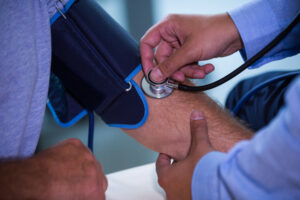
Communication is one of the most important skills in healthcare, and for a medical assistant, it is essential to daily success. Medical assistants interact with patients, physicians, nurses, and administrative staff, often serving as the first and last point of contact in a medical office. Strong communication skills help ensure accurate information sharing, patient comfort, and smooth clinical operations. Without effective communication, even the most technically skilled medical assistant can struggle in a healthcare setting.
In a clinical environment, clear communication can directly impact patient outcomes. Medical assistants are responsible for gathering patient information, explaining procedures, relaying instructions, and documenting details accurately. When communication is clear and professional, patients are more likely to feel understood, respected, and at ease. This trust encourages patients to share important information about symptoms, medical history, or concerns that may affect their care.
Good communication also supports teamwork. Medical assistants must work closely with providers and coworkers, often in fast-paced and high-pressure situations. Being able to listen carefully, ask clarifying questions, and share information accurately helps prevent errors and keeps the healthcare team working efficiently.
While some people naturally communicate well, effective healthcare communication is a skill that can be learned and strengthened. Medical assistant training plays a major role in helping students develop these abilities. Through classroom instruction, hands-on practice, and real-world simulations, students learn how to communicate professionally with both patients and healthcare teams.
Medical assistant training often includes lessons on patient interaction, medical terminology, and proper documentation. Students practice explaining procedures in simple terms, responding to patient concerns with empathy, and maintaining professionalism in sensitive situations. These experiences help students gain confidence and learn how to adapt their communication style to different patients and scenarios.
Training programs also emphasize active listening, cultural awareness, and confidentiality. These skills are critical for ensuring patients feel respected and for maintaining compliance with healthcare regulations.
To become a great medical assistant, students should focus on developing several key communication skills. These include verbal communication, such as speaking clearly and using appropriate language, and nonverbal communication, such as maintaining eye contact and demonstrating positive body language. Written communication is equally important, as medical assistants must accurately document patient information and communicate through electronic health records.
Problem-solving and emotional intelligence also play a role. Patients may be anxious, frustrated, or confused, and a medical assistant must respond calmly and compassionately. Training helps students learn how to manage these interactions professionally while still showing empathy.
If you are interested in becoming a medical assistant with strong communication and clinical skills, the right training program can make all the difference. Bay Area Medical Academy’s Medical Assisting with Phlebotomy and EKG program is designed to prepare students for real-world healthcare environments. The program combines hands-on training, professional communication development, and essential clinical skills to help students succeed in today’s medical offices.
Start building the communication skills that employers value and patients trust. Explore Bay Area Medical Academy’s Medical Assisting with Phlebotomy and EKG program and take the first step toward a rewarding healthcare career today.
"*" indicates required fields
Our career-oriented program gives you hands-on, real-world training and ongoing support for your long-term goals.
For more information on BAMA's medical assisting and phlebotomy degree programs, contact us today!
BAMA: The Bay Area's best career-oriented healthcare traning
© 2024 Bay Area Medical Academy. All Rights Reserved. Website by WindsAndWater