Class Calendar | Call admissions on 415-943-2028
Find Phlebotomy Technician and EKG Technician training at BAMA Institute
Class Calendar | Call admissions on 415-943-2028
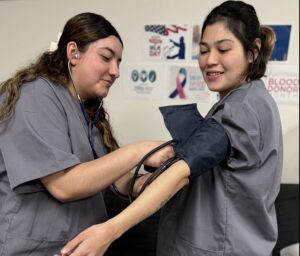
Medical assistants are the backbone of any healthcare practice. While physicians often lead patient care, the daily workflow, patient experience, and overall efficiency of a clinic depend heavily on skilled medical assistants. But there are a few things doctors quietly wish medical assistants understood more deeply, insights that can elevate performance, strengthen teamwork, and improve patient outcomes.
Clear, concise communication can make or break a clinical day. Doctors rely on medical assistants to relay accurate patient information, flag urgent concerns, and ensure nothing gets lost between check-in and exam room. Even small details—like noting subtle symptom changes or patient concerns—can significantly impact diagnosis and treatment. The more effectively medical assistants communicate, the smoother the entire care process becomes.
In a fast-paced environment, details matter. From correctly documenting vital signs to ensuring lab orders are accurate, precision is critical. Doctors depend on medical assistants to catch inconsistencies before they become problems. A missed allergy note or incorrect chart entry can delay care or create safety risks. Being detail-oriented doesn’t helps the provider and it protects the patient.
One of the most valued traits in medical assistants is anticipation. Physicians appreciate when medical assistants prepare exam rooms in advance, have supplies ready, and understand the flow of appointments. Thinking ahead reduces downtime and allows providers to focus fully on patient care instead of logistics. Anticipation is what transforms a good medical assistant into a great one.
Before a doctor even enters the room, medical assistants set the tone. A warm greeting, calm demeanor, and professional approach can ease patient anxiety and build trust. Doctors recognize that patient satisfaction is often shaped by these early interactions. Medical assistants who prioritize empathy and professionalism help create a more positive healthcare experience overall.
No two days in a clinic are the same. Schedules change, emergencies arise, and priorities shift quickly. Doctors value medical assistants who can adapt without becoming overwhelmed. Flexibility, problem-solving, and a willingness to step in where needed are qualities that make medical assistants essential team members in any healthcare setting.
Healthcare is constantly evolving, and medical assistants who stay current with new technologies, procedures, and best practices stand out. Whether it’s mastering electronic health records or expanding clinical skills, ongoing learning benefits both the assistant and the provider. Doctors appreciate medical assistants who take initiative in their professional growth.
Medical assistants play a critical role in delivering high-quality care, often acting as the bridge between patients and providers. By improving communication, sharpening attention to detail, anticipating needs, and staying adaptable, medical assistants can elevate not only their own careers but also the success of the entire healthcare team.
Ready to take the next step? Bay Area Medical Academy offers a 3-in-1 Medical Assisting with Phlebotomy and EKG program designed to give you the hands-on skills employers are looking for. Gain real-world experience, expand your clinical capabilities, and prepare for a rewarding career in healthcare. Speak with us today to explore the program and start building your future as a confident, in-demand medical assistant.
"*" indicates required fields
Our career-oriented program gives you hands-on, real-world training and ongoing support for your long-term goals.
For more information on BAMA's medical assisting and phlebotomy degree programs, contact us today!
BAMA: The Bay Area's best career-oriented healthcare traning
© 2024 Bay Area Medical Academy. All Rights Reserved. Website by WindsAndWater