Class Calendar | Call admissions on 415-943-2028
Find Phlebotomy Technician and EKG Technician training at BAMA Institute
Class Calendar | Call admissions on 415-943-2028
It’s an exciting step going back to school to train for a new healthcare career. But that first day in class can feel overwhelming the closer it gets. If you’re about to start a medical assistant training class, now is a great time to get organized, set goals, and prepare for the school year. Whether you’re going back to school after years away, or making a career change, a little preparation can make the transition much easier. Here are five things you can do to get yourself ready for medical assistant training and your future in healthcare.
Before classes start, take some time to think about what you want to accomplish during your time as a medical assistant student. Your goals don’t have to be complicated. In fact, the more attainable your goals, the better. You don’t want to set yourself up for failure. Once your goals are set, the simple act of writing those goals down can help you stay focused when coursework becomes challenging. Keep your reasons for going back to school in a place where you can see them. On the days when class is tougher than usual, your written down goals can remind you why you went back to school and incentivize you to keep going.
One of the easiest ways to feel prepared is to have your supplies ready before your first day back at school. You may need notebooks, pens, folders, a laptop, or other study materials. Check with your school ahead of time so you know exactly what is required your first day of class. Gathering the essentials you need early means one less thing to worry about when going back to school.
Going back to school can mean adding schoolwork to an already busy schedule. One thing you can do to stay organized when you’re balancing school with family responsibilities or work is to create a weekly schedule. This schedule can outline class time, studying, work, appointments, and personal responsibilities, keeping you on track. Though don’t forget to leave yourself some breathing room each day. You don’t want to have a schedule that is packed from morning to night. Remember, even setting aside a regular hour each day can make a huge difference. Consistency is often more valuable than cramming too many study hours in a day.
Medical assisting is a hands-on career that combines clinical and administrative work. Depending on their role and workplace, medical assistants may help with patient intake, vital signs, medical records, scheduling, and other tasks. Some medical assistant training programs also provide specialized instruction in areas such as phlebotomy and EKG procedures. Learning more about the profession before classes begin can be an important step in helping you understand how your coursework connects to real-world patient care.
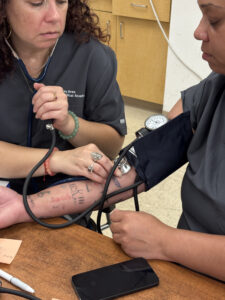
Your medical assistant training won’t purely come from the pages of a textbook. Your program should also include practical lab training, so come ready to participate, practice, and ask questions. Don’t worry if you don’t feel confident on day one. That’s what training is for. Mistakes and questions are part of learning, and each lab session can help you become more comfortable with your medical assisting skills.
Are you thinking of going back to school to train for a medical assisting career? Bay Area Medical Academy offers monthly 3-in-1 medical assisting with phlebotomy and EKG classes designed to help students graduate with three national healthcare certifications. Contact our admissions team today to learn more about the program and discover how you can take the next step toward becoming a trained medical assistant.
"*" indicates required fields
Our career-oriented program gives you hands-on, real-world training and ongoing support for your long-term goals.
For more information on BAMA's medical assisting and phlebotomy degree programs, contact us today!
BAMA: The Bay Area's best career-oriented healthcare traning
© 2024 Bay Area Medical Academy. All Rights Reserved. Website by WindsAndWater