Class Calendar | Call admissions on 415-943-2028
Find Phlebotomy Technician and EKG Technician training at BAMA Institute
Class Calendar | Call admissions on 415-943-2028
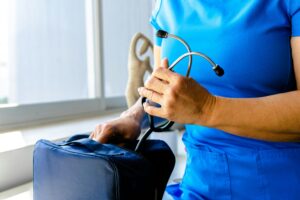
Healthcare is rapidly shifting toward outpatient and ambulatory care services, creating strong demand for skilled professionals with medical assistant training who can support patients in fast-paced clinical environments. Unlike nurses and CNAs who often work in hospitals or long-term care facilities, medical assistants are primarily trained to work in ambulatory care settings such as physician offices, urgent care clinics, specialty practices, and outpatient centers.
At Bay Area Medical Academy, students gain hands-on experience and practical knowledge that prepares them for the daily responsibilities of ambulatory healthcare environments.
Ambulatory care refers to medical services provided on an outpatient basis. Patients receive treatment, diagnostic services, or preventive care without being admitted overnight to a hospital. These settings require healthcare professionals who can multitask, communicate effectively, and keep patient flow running efficiently.
Medical assistants play an essential role in ambulatory care by helping providers deliver quality patient care while supporting administrative and clinical operations.
Effective Medical Assistant Training focuses on the unique needs of outpatient healthcare environments. At Bay Area Medical Academy, students are trained in both front-office and back-office procedures that are commonly used in ambulatory clinics.
Students learn how to:
These skills are especially valuable in ambulatory settings where efficiency, patient interaction, and teamwork are critical to daily operations.
While CNAs and nurses are often associated with bedside care in hospitals or residential care facilities, medical assistants are specifically trained for outpatient and ambulatory care environments. Their responsibilities are designed around supporting physicians and healthcare teams in clinics and medical offices.
This distinction is important for students exploring career paths in healthcare. Medical assistant training prepares students to work directly in community-based healthcare settings where preventive care, routine examinations, and outpatient services are the primary focus.
Because ambulatory care settings continue to grow, employers increasingly seek medical assistants who are comfortable handling both administrative and clinical responsibilities in a fast-moving environment.
One of the biggest advantages of training at Bay Area Medical Academy is the emphasis on hands-on learning. Students practice real-world clinical procedures in a supportive educational environment that mirrors modern ambulatory care facilities.
By combining classroom instruction with practical skills training, students build confidence before entering externships and professional healthcare settings. This approach helps graduates’ transition smoothly into outpatient clinics, urgent care centers, and specialty medical practices.
If you are interested in a healthcare career focused on outpatient and ambulatory care, Bay Area Medical Academy’s 3-in-1 Medical Assisting with Phlebotomy and EKG Program can help you get started. This comprehensive program prepares students with the clinical, administrative, phlebotomy, and EKG skills needed for today’s ambulatory healthcare environments. Learn from experienced instructors, gain hands-on training, and take the first step toward a rewarding medical assisting career.
"*" indicates required fields
Our career-oriented program gives you hands-on, real-world training and ongoing support for your long-term goals.
For more information on BAMA's medical assisting and phlebotomy degree programs, contact us today!
BAMA: The Bay Area's best career-oriented healthcare traning
© 2024 Bay Area Medical Academy. All Rights Reserved. Website by WindsAndWater