Class Calendar | Call admissions on 415-943-2028
Find Phlebotomy Technician and EKG Technician training at BAMA Institute
Class Calendar | Call admissions on 415-943-2028
Choosing the right training program is one of the most important steps toward starting a healthcare career. With so many options available, comparing medical assistant classes carefully can help you make a confident, informed decision. From curriculum depth to hands-on training opportunities, here’s what to look for when evaluating programs near you.
Before researching schools, clarify what you want from your education. Do you see yourself working primarily in administrative roles, or are you more interested in clinical skills like drawing blood and performing electrocardiograms (EKGs)? Many employers value medical assistants who are cross-trained in both front-office procedures and direct patient care. If hands-on skills like phlebotomy and EKG testing are important to you, look for programs that clearly include those components in their curriculum.
Not all medical assistant classes are structured the same way. Review each program’s course outline carefully. Strong programs typically include:
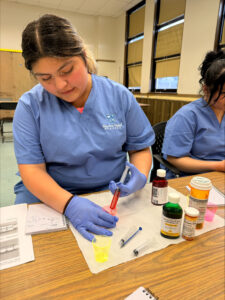
Equally important is clinical practice. Ask whether the program offers in-class lab training, simulated practice, or externships in real healthcare settings. Hands-on instruction helps bridge the gap between theory and patient care responsibilities.
For example, Bay Area Medical Academy offers a medical assisting program that integrate phlebotomy and EKG training as part of their curriculum. When researching any school, verify how these components are delivered and how much practical experience students receive.
Accreditation and exam preparation can impact your employment prospects. While requirements vary by employer and state, many hiring managers prefer candidates who are prepared for industry-recognized certification exams.
When reviewing medical assistant classes, ask:
Clear answers to these questions indicate a program that is structured with long-term career outcomes in mind.
If you are balancing work or family responsibilities, schedule flexibility matters. Some medical assistant classes are offered full-time, while others provide part-time or hybrid options. Consider whether you learn best in a traditional classroom, a blended format, or an accelerated program.
Also evaluate program length. Shorter programs may allow you to enter the workforce more quickly, but make sure the curriculum still covers essential competencies such as phlebotomy and EKG procedures.
Look for transparent information about graduation rates, student support services, and career assistance. Does the school provide resume guidance, interview preparation, or externship placement support? Reading student reviews and speaking with admissions advisors can also provide insight into the learning environment.
If you are exploring medical assistant classes that include hands-on phlebotomy and EKG training, consider learning more about the medical assisting with phlebotomy and EKG classes available at Bay Area Medical Academy. Contact us today so we can help you explore program details and decide whether it’s the right fit for your path into medical assisting.
"*" indicates required fields
Our career-oriented program gives you hands-on, real-world training and ongoing support for your long-term goals.
For more information on BAMA's medical assisting and phlebotomy degree programs, contact us today!
BAMA: The Bay Area's best career-oriented healthcare traning
© 2024 Bay Area Medical Academy. All Rights Reserved. Website by WindsAndWater