We offer Medical Assisting classes year-round, so you can start when it’s convenient for you. Learn more about our program today!
Class Calendar | Call admissions on 415-943-2028
Find Phlebotomy Technician and EKG Technician training at BAMA Institute
Class Calendar | Call admissions on 415-943-2028
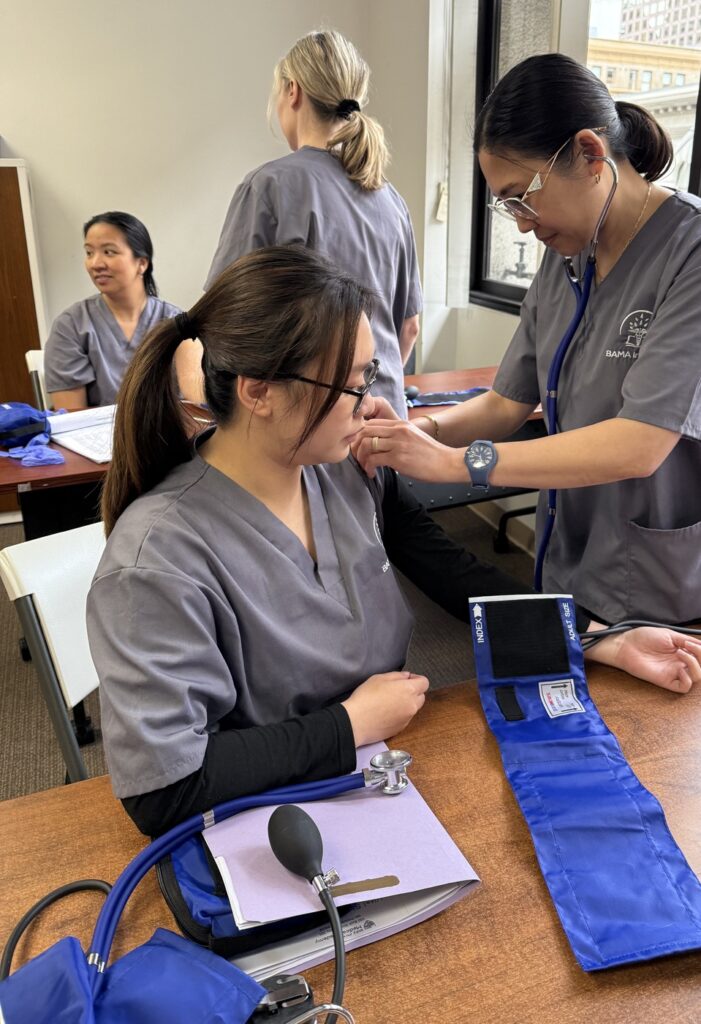
Choosing a new career path is a major decision—especially as the year ends and the fresh start of 2026 approaches. If you’ve been considering becoming a medical assistant, this is the perfect moment to pause, reflect, and determine whether this growing healthcare profession aligns with your goals, strengths, and future plans.
Below are key questions to help you decide if a medical assistant career is right for you.
Working as a medical assistant means being at the heart of patient care. Medical assistants support physicians, interact with patients daily, and help keep medical offices running smoothly. If you’re someone who finds purpose in helping people feel comfortable, supported, and informed—especially during vulnerable moments—you may find this career rewarding.
The work can be fast-paced, with responsibilities ranging from taking vital signs to updating medical records. If you enjoy a dynamic environment where each day brings new challenges, this field may be a strong match.
Before committing to training, consider whether you’d enjoy blending hands-on clinical work with office-based responsibilities. Medical assistants often shift between tasks such as:
This combination makes the role engaging and versatile, but it also means multitasking is essential. If you like variety and feel confident managing multiple responsibilities, you’ll likely thrive.
The healthcare field continues to grow, and the demand for medical assistant professionals remains steady nationwide. With aging populations, expanding clinics, and increasing access to healthcare services, medical assistants play a crucial role in ensuring patient care remains efficient and compassionate.
This career also offers clear pathways for advancement. Many medical assistants can go on to specialize in areas like phlebotomy, EKG, or patient education—or use the role as a steppingstone toward nursing or other healthcare professions. If you’re looking for stability with opportunities to develop new skills over time, this career can provide both.
One of the biggest draws of becoming a medical assistant is the relatively short training timeline. Many programs can be completed in under a year, meaning you can start earning and building experience faster than in many other healthcare roles.
If you’re eager to make a career change in early 2026 and want a clear, achievable path toward a respected healthcare position, training as a medical assistant may be the right choice.
If you’re ready to take the next step, Bay Area Medical Academy’s Medical Assisting with Phlebotomy program can help you launch your career with confidence. BAMA offers hands-on, career-focused training, experienced instructors, and an externship that gives you real-world experience in a medical setting. Whether your goal is to enter the workforce quickly or to build a long-term career in healthcare, BAMA provides the support and skills you need to succeed.
Take the first step today—your future as a medical assistant could begin in 2026.
"*" indicates required fields
Our career-oriented program gives you hands-on, real-world training and ongoing support for your long-term goals.
For more information on BAMA's medical assisting and phlebotomy degree programs, contact us today!
BAMA: The Bay Area's best career-oriented healthcare traning
© 2024 Bay Area Medical Academy. All Rights Reserved. Website by WindsAndWater